Find who in your company uses AI app builders. Treat every app they publish as an asset with an owner, not a side project.
In Grok Build, set every share link to invited users or only you, unless the app is meant to be public.
Search passive DNS for your teams' app subdomains on grok.me and other builder domains. Open each one signed out to see what a stranger sees.
Test sign-in from outside. If a personal Google account that was never invited gets into a team app, the app checks who you are but not whether you belong.
Read the script files each app loads for names, emails, keys and passwords, and unpublish any app nobody owns.
Search Google, Bing and the AI assistants your teams use for your apps' grok.me names, and request removal of anything cached or indexed. Unpublishing the app does not remove copies already made.
Rotate any key, token or password that sat inside an exposed app, and tell the people whose records it held.
Stay skeptical about the secret words. On the tools you use, test how easily the words could be guessed: how many words, how large the word list, and whether users can rename them.
Check your other builders too. Claroc says Base44 (Wix), v0 (Vercel), Bolt, Replit, Google AI Studio and ChatGPT also give apps their own hostnames. Also check Retool, Bubble, Zite, Webflow, Builder.io and Gumloop: how each shares and publishes, what the default is, and whether the secret sits in the hostname.
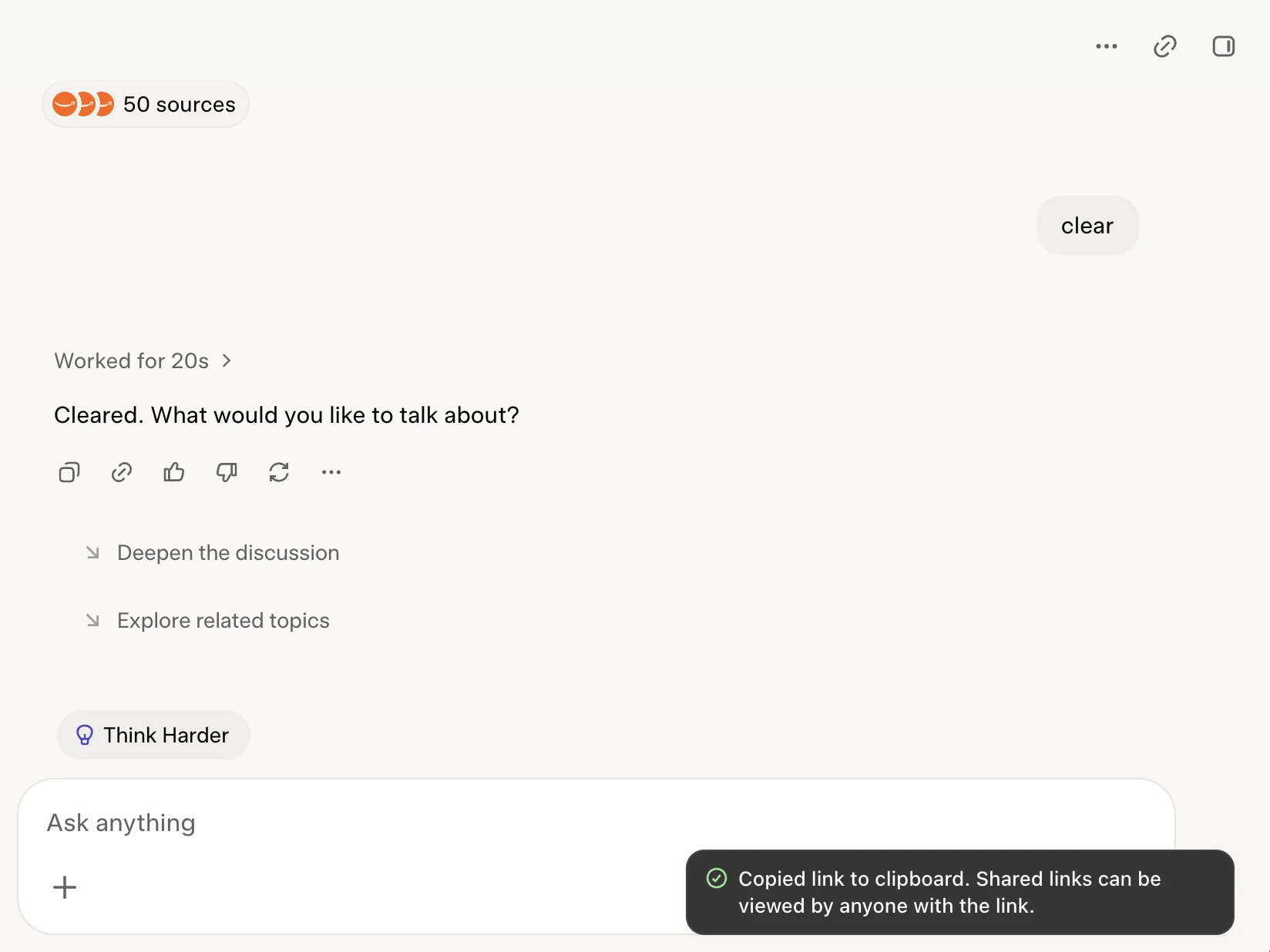
Tell your teams that one click on the link icon under a Grok chat reply creates a share link anyone can open. Copy the text instead, unless the conversation is meant to be public.
If your teams also run Grok Build on their laptops, run grokpatrol to see which repositories it collected and uploaded.